
In modern networking and IT environments, private 172.16.252.214:4300 IP addresses play a crucial role in connecting devices securely and efficiently. One such configuration that often raises questions is 172.16.252.214:4300. This review explores this IP and port combination in depth, covering its reliability, security aspects, performance, and practical applications. By the end, you’ll have a comprehensive understanding of how 172.16.252.214:4300 fits into modern networks in 2026.
What Is 172.16.252.214:4300?
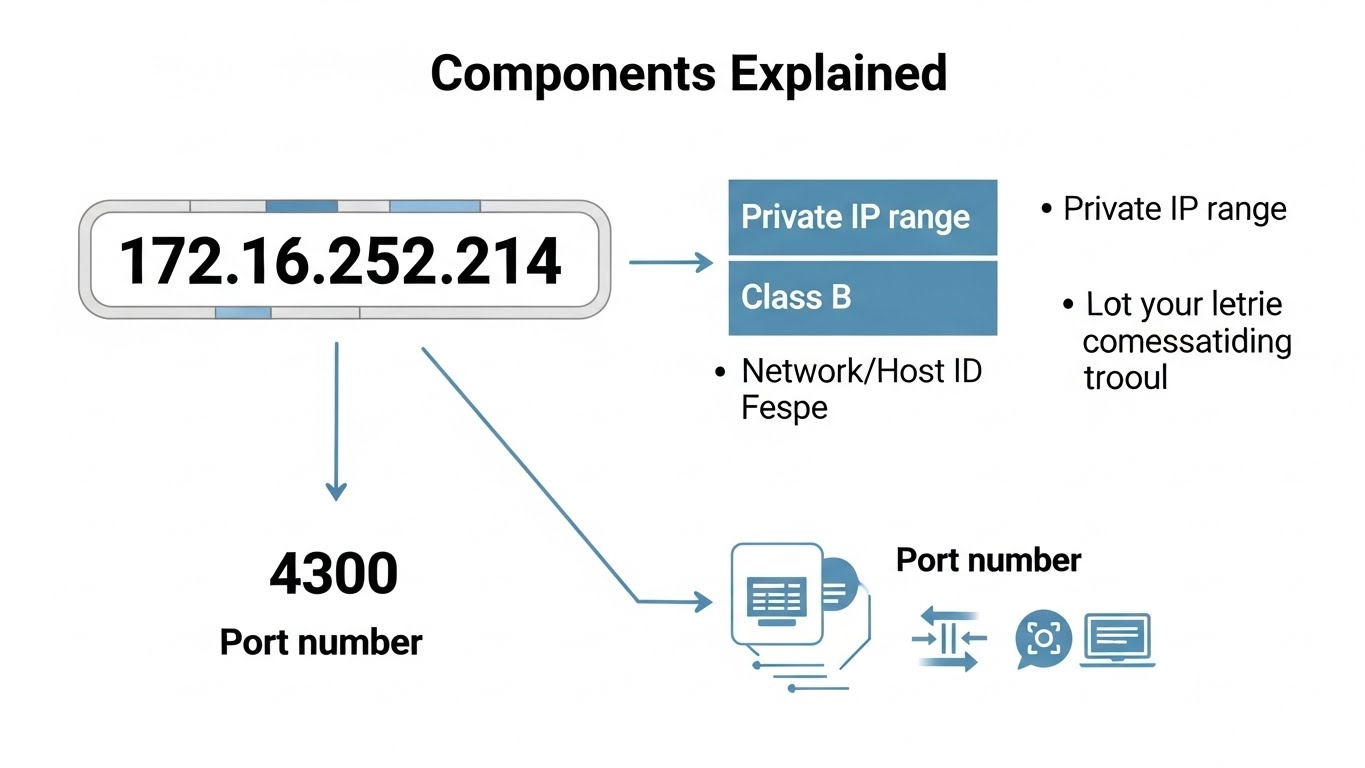
172.16.252.214:4300 consists of a private IP address paired with a specific port number. The IP address 172.16.252.214 belongs to the private address range 172.16.0.0/12, which is commonly used within internal networks. The port number 4300 specifies a service endpoint, allowing applications or services to communicate directly over this specific channel. Together, they identify a unique network service within a private environment.
Understanding the 172.16.x.x Private Range
Private IP addresses like 172.16.252.214 are not accessible directly from the Internet. They are designed for internal communications within LANs, corporate networks, and virtualized environments. Using private addresses provides multiple benefits:
- Enhanced security through isolation from public networks
- Efficient internal routing and management
- The ability to deploy multiple devices without requiring unique public IPs
Because 172.16.252.214:4300 is internal, its stability and availability depend entirely on the internal network infrastructure.
The Role of Port 4300
Port numbers help differentiate between multiple services on a single device. Port 4300 is not reserved for any standard global protocol, which means it can be used by custom services, internal APIs, or specific applications. Organizations often assign such ports to:
- Management interfaces
- Internal monitoring tools
- Application servers or microservices
- Testing or staging environments
Thus, 172.16.252.214:4300 may serve a variety of purposes depending on the network setup.
Reliability of 172.16.252.214:4300
Reliability for 172.16.252.214:4300 depends on multiple factors:
- Network Infrastructure: A well-designed internal network ensures low latency and consistent connectivity.
- Service Stability: The service operating on port 4300 must be properly configured, monitored, and maintained.
- Redundancy: High-availability setups and failover mechanisms can prevent downtime if the primary service fails.
In properly managed internal networks, 172.16.252.214:4300 can maintain highly reliable operations.
Security Considerations
Even though 172.16.252.214:4300 is a private endpoint, security measures remain essential:
- Firewall Protection: Restricting access ensures only authorized internal devices can communicate with this endpoint.
- Authentication and Encryption: Services should use strong passwords, tokens, or certificates, along with encrypted communication.
- Monitoring: Regular log analysis for unusual activity can detect potential security threats early.
- Segmentation: Keeping sensitive services on separate network segments reduces risks from internal attacks.
Proper security practices make 172.16.252.214:4300 safe for internal use while minimizing vulnerabilities.
Performance Analysis
The performance of 172.16.252.214:4300 relies on both network infrastructure and the service running on the port:
- Low Latency: Internal traffic within the 172.16.x.x range benefits from minimal delays.
- High Bandwidth: Local network environments typically allow faster data transfer compared to public Internet connections.
- Scalability: Performance can be improved with clustering, load balancing, or caching strategies.
When properly optimized, 172.16.252.214:4300 supports consistent performance even in high-demand internal environments.
Common Use Cases
Organizations commonly use 172.16.252.214:4300 for:
- Internal APIs or microservices
- Virtual machine management in private cloud setups
- Monitoring tools for IT infrastructure
- Secure tunnels for development and testing
- Device or IoT management within private networks
These use cases demonstrate the versatility of 172.16.252.214:4300 in modern corporate and virtualized networks.
Troubleshooting Tips
If issues occur with 172.16.252.214:4300, these steps are helpful:
- Check Network Connectivity: Ensure the device hosting the IP is reachable.
- Verify Port Status: Confirm that port 4300 is open and listening.
- Inspect Service Logs: Review logs for errors or misconfigurations.
- Check Firewall Rules: Ensure traffic to the port is allowed by internal firewalls.
Regular monitoring can prevent downtime and improve overall reliability.
Best Practices for Internal IP and Port Management
To maximize the effectiveness of endpoints like 172.16.252.214:4300:
- Document all internal IPs and their associated services
- Apply consistent patching and updates for systems hosting the service
- Use encryption for internal communications
- Conduct regular security audits and penetration testing
- Segment networks to isolate critical services
Following these practices ensures 172.16.252.214:4300 remains secure, reliable, and high-performing.
Conclusion
In 2026, understanding private IP addresses and port configurations is essential for network professionals. 172.16.252.214:4300 is a prime example of an internal network endpoint that can power internal services, APIs, and management tools. By focusing on reliability, security, and performance, IT teams can ensure that such private endpoints operate efficiently without exposing sensitive systems to unnecessary risks.
With the proper setup and monitoring, 172.16.252.214:4300 proves to be a dependable and secure component of modern enterprise and virtualized networks. Its combination of a private IP and a custom port gives organizations flexibility while maintaining control and stability.